
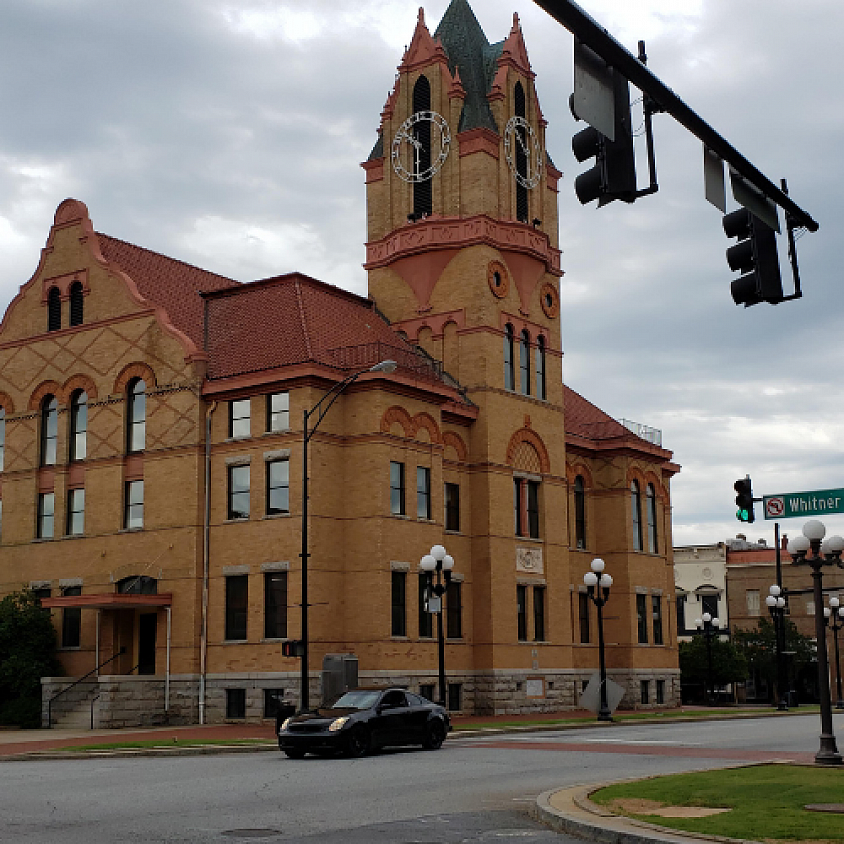
Hidden Highlights and Must-Visit Places Around Charleston, SC 29492
Exploring the Environs of Charleston’s 29492
Tucked along the Wando River and braided tidal creeks, the area around Charleston, SC 29492 offers a distinctive blend of waterfront tranquility, verdant parks, cultural touchstones, and storied streetscapes. It’s a place where marsh grass glows at dusk, where osprey skim the shallows, and where historic corridors lead to shaded piazzas and stately oaks. The setting invites meandering: across bridges and boardwalks, along community greens, and into neighborhoods that prioritize walkability and water views. From island parks to harbor panoramas, the surrounding locales reward curiosity and unhurried exploration.
Riverfront Vistas and Quiet Marshlands
Water is the region’s constant companion. The Wando River unfurls beside neighborhood paths and piers, offering serene outlooks for sunrise watchers and anglers alike. Gentle breezes carry the briny perfume of the marsh, while the shifting tide reveals oyster beds and rippling spartina. These riverine edges are not merely scenic; they shape daily rhythms. A contemplative stroll at low tide brings fiddler crabs into focus, while an incoming tide invites paddlers to slip into narrow creeks. Beresford and Clouter creeks curve behind neighborhoods like secret corridors, leading to glassy backwaters where herons poise, statuesque and unhurried.
Island Parks and Neighborhood Greens
Parks anchor the area’s community fabric. Meticulously maintained greens invite weekend picnics, impromptu frisbee matches, and stroller-friendly loops around freshwater lakes. Shaded playgrounds hum with laughter, and landscaped berms soften the skyline. Athletic fields draw league play, yet quiet corners remain for birdwatching and reading under lacey canopies. These parks amplify the island’s residential character: peaceful, neighborly, and oriented to the outdoors. The interplay of open lawn and water features creates a restorative, family-forward ambiance that’s equally suited to solo contemplation or social gatherings.
Bridges, Boardwalks, and Breezy Lookouts
The Ravenel Bridge’s pedestrian path delivers sweeping perspectives that recalibrate the senses—the harbor sprawls, the city’s church spires punctuate the horizon, and shrimp boats trace deliberate paths below. Nearer to the Wando, wooden boardwalks across saltmarsh provide intimate encounters with coastal ecology. Listen for the soft percussive clatter of shell against hull as small craft nudge their moorings; watch mullet flash just beneath the surface. These elevated walkways transform marshlands into accessible classrooms, rewarding careful observers with sightings of egrets, pelicans, and the occasional dolphin rounding a creek bend.
Historic Corridors and Cultural Landmarks
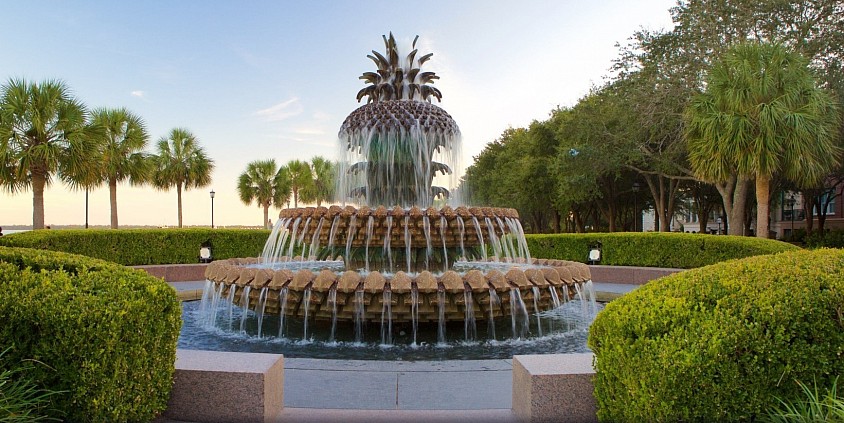
Downtown Charleston remains within easy reach and feels timeless. Cobblestone lanes thread the French Quarter, where galleries glow in the evening and façades wear pastel shades suavely weathered by sea air. Rainbow Row presents a kaleidoscope of coastal hues; The Battery and White Point Garden pair stately residences with harbor views and venerable live oaks. Nearby, Waterfront Park’s Pineapple Fountain welcomes lingering visitors, and the City Market animates with artisans and Lowcountry flavors. Across the Cooper, old Mount Pleasant’s neighborhood streets lead to the quiet charm of the Old Village, a pocket of history nestled by the creek.
Waterfront Workboats and Wildlife Encounters
Shem Creek is a microcosm of coastal life. Working trawlers share the channel with kayaks and paddleboards, while boardwalks skirt the marsh and link scenic overlooks. The interplay of industry and leisure gives the creek its distinctive cadence—mariners tending nets alongside diners applauding a saffron-streaked sunset. Just down the harbor, Patriots Point’s shoreline frames naval history and harbor panoramas. From these waters, tours depart toward Fort Sumter, offering vantage points on the city’s strategic position amid river mouths and barrier islands. Wildlife often steals the show here: bottlenose dolphins surf boat wakes, and pelicans conduct low, unhurried patrols.
Coastal Retreats and Beach Day Diversions
Two barrier islands beckon with soft sands and unfussy charm. Isle of Palms unfurls a spacious beachscape ideal for breezy walks and boogie-board afternoons, while Sullivan’s Island balances natural serenity with understated village appeal. The Sullivan’s Island Lighthouse stands sentinel, a modernist landmark visible from long stretches of coast. Farther along, the historic earthworks at Fort Moultrie hint at the region’s layered maritime story. Beach days here need little embellishment—salt spray, sun-warmed dunes, and the rhythmic hush of shorebreak suffice.
Trails, Gardens, and Shaded Escapes
North of the city, Francis Marion National Forest spreads a tapestry of pine savanna, palmetto thickets, and blackwater swales. Trailheads lead into quiet woods where the air carries a resinous tang and sunlight stipples the understory. Closer to town, landscaped gardens and preserved estates along the Ashley River pay tribute to horticultural craft and Lowcountry ecology. Live oaks frame garden rooms, camellias dapple winter paths, and reflective ponds mirror sky and branch. These cultivated spaces offer a counterpoint to wilder tracts, each illuminating a different register of coastal beauty.
Selected Highlights to Discover
- Wando River overlooks and pier access on Daniel Island
- Boardwalks and marsh viewpoints along Shem Creek Park
- Ravenel Bridge pedestrian and cycling path
- Mount Pleasant Memorial Waterfront Park and pier
- The Battery and White Point Garden
- Charleston Waterfront Park and the Pineapple Fountain
- French Quarter galleries and cobblestone lanes
- Old Village in Mount Pleasant and the Pitt Street Bridge
- Patriots Point Naval & Maritime Museum shoreline paths
- Fort Sumter departure points at Liberty Square and Patriots Point
- Isle of Palms beachfront access and gentle surf
- Sullivan’s Island Lighthouse area and historic Fort Moultrie
- Francis Marion National Forest trailheads
- Beresford Creek and Clouter Creek paddling corridors
- Downtown Charleston City Market and surrounding streets
Planning an Unhurried Circuit
Link these places into a loose circuit that pairs movement with moments of pause. Begin with a riverfront stroll at first light, when marsh birds are most active. Drift toward a midmorning bridge walk to take in the harbor’s geometry. Fold in a long lunch by Shem Creek and watch the tide turn. Spend the afternoon in historic quarters where garden gates and verandas set an elegant tone. Close the day with toes in the sand, or return to a quiet island park for sunset as the sky drifts from coral to indigo. The area around Charleston, SC 29492 lends itself to this cadence—unrushed, observant, and richly textured—rewarding every detour with a fresh perspective on Lowcountry life.

Hidden Highlights and Must-Visit Spots around Charleston, SC 29492
Exploring the Daniel Island and Cooper River Corridor
Introduction to a Riverbound Enclave
Cradled between the Wando and Cooper Rivers, the Charleston, SC 29492 enclave unfolds as a tapestry of marshlands, live oak canopies, and thoughtfully designed neighborhoods. It feels secluded yet connected, with breezes wafting in from the harbor and vistas that change hue with the tides. The area rewards unhurried exploration. Spend time along riverfront paths, meander through waterfront parks, and let the Lowcountry’s cadence guide the day. Historic echoes permeate even the most contemporary corners, while saltwater panoramas keep the horizon bright and inviting.
Riverfront Vistas and Ingenious Crossings
The region’s geography invites an almost meditative form of wandering. Along the water’s edge near Daniel Island Waterfront Park, benches and boardwalks grant a front-row view to marsh grass that ripples like silk. As boats slice through the channel, the skyline of historic Charleston floats in the distance, at once intimate and grand. Just downstream, the sweeping span of the Arthur Ravenel Jr. Bridge becomes a destination in itself. Its pedestrian and cycling path offers a lofty promenade above the Cooper, where pelicans cruise beneath and the harbor opens like a stage. Sunrises cast the bridge in delicate pastels; twilight reveals a silhouette as sculptural as it is practical.
Parks, Trails, and Breezes off the Water
Green spaces are plentiful, and each carries a distinct personality. Smythe Park is a favorite for its lakeside loop, shaded lawns, and quiet nooks that seem engineered for reading or reflection. On weekends, it transforms into a lively commons, with families strolling under the oaks and anglers testing the still water. Not far away, the trail systems knit together pocket wetlands and pocket parks, rewarding curiosity with new perspectives of the marsh. These paths feel both urbane and wild—carefully tended, yet edged with reeds where herons stalk and fiddler crabs scuttle. The result is a serenity that lingers long after a visit ends.
Historic Echoes across the Lowcountry
In a city renowned for preservation, history unfurls in layers. Across the harbor, The Battery’s gracious promenade and the adjacent residential facades illustrate Charleston’s storied architectural lineage. Farther afield along the Ashley River corridor, time appears to slow among stately avenues and riverfront plantations, where live oaks draped with Spanish moss form natural colonnades. Nearby, Drayton Hall, Magnolia Plantation and Gardens, and Middleton Place present distinct narratives that speak to resilience, landscape design, and craftsmanship. Over on the harbor’s mouth, Fort Sumter stands sentinel—an island outpost that commands sweeping views of sea lanes and shoreline. Pair a harbor excursion with a ramble through the cobblestone textures of the French Quarter to create a day steeped in context and ambience.
Coastal Excursions and Marshland Safaris
To the east, barrier islands deliver the Lowcountry’s quintessential seascape. Sullivan’s Island and Isle of Palms frame the Atlantic with dunes, sea oats, and an ever-shifting tide line that lays bare sandbars and tidal pools. Birdlife is prolific; bring binoculars and a watchful eye. In the marshes north of town, boardwalks like those at Shem Creek skirt shrimp trawlers and guide visitors into salt marsh panoramas where dolphin often arc near the boats. For a different aquatic milieu, Cypress Gardens cloaks its blackwater canals in cypress and tupelo, offering reflective paddles through cathedral-like groves. Each excursion deepens the understanding of how water shapes life here—by turns nourishing, defining, and mesmerizing.
Arts, Markets, and Cultural Touchstones
The cultural rhythm of Charleston thrives within galleries, museums, and open-air markets. The French Quarter’s intimate streets cradle galleries where contemporary works hang within centuries-old walls, a juxtaposition that mirrors the city’s knack for reinvention. At the waterfront, the International African American Museum anchors storytelling to place, amplifying voices and journeys with power and clarity. Closer to the peninsula’s heart, the Charleston Museum curates a broad sweep of natural and cultural history, while the Charleston City Market hums with artisans whose wares capture the city’s enduring aesthetic—sweetgrass baskets coiled with practiced grace, woodwork burnished to a Lowcountry luster.
Family-Friendly Discoveries and Active Outings
Families find easygoing adventure in this corridor. Credit One Stadium draws performances and athletic showcases, surrounded by landscaped plazas that invite pre-event picnics and impromptu games of catch. Waterfront Park on the peninsula features breezy swings and a famous fountain, ideal for a languid afternoon watching the harbor’s choreography. Patriots Point across the river preserves maritime heritage with commanding vessels and river views. Back near the 29492 area, playgrounds dot neighborhood greens where shade trees and open fields encourage simple pleasures—kites aloft, chalk on sidewalks, or a friendly pick-up game as the sun slides low.
Selected Places to Seek Out
- Daniel Island Waterfront Park
- Smythe Park
- Arthur Ravenel Jr. Bridge pedestrian path
- The Battery and White Point Garden
- Magnolia Plantation and Gardens
- Drayton Hall
- Middleton Place
- Fort Sumter
- Shem Creek Boardwalk
- Sullivan’s Island beaches
- Isle of Palms Front Beach
- Cypress Gardens
- International African American Museum
- Charleston Museum
- Charleston City Market
- Patriots Point Naval & Maritime Museum
- Waterfront Park and the harborfront promenade
- French Quarter and Rainbow Row
Seasonal Moods and Practical Considerations
Weather sets the tone. Breezes off the water can make even warm days feel amiable, though afternoons may turn sultry. Early mornings reward with tranquil light and fewer crowds, especially on bridge walks or beach strolls. Trails and boardwalks can grow lively on weekends; a weekday outing can yield quieter encounters with marsh wildlife. Tides influence the character of every shoreline; low tide unveils oyster beds and mudflats, while high tide lends cinematic reflections to creeks and lagoons. Pack water, sun protection, and comfortable footwear. For longer excursions, keep an eye on ferry schedules and bridge traffic patterns, allowing room for serendipity.
Savoring the Lowcountry Cadence
The charm of the Charleston, SC 29492 area lies in its equilibrium—river and road, tradition and innovation, bustle and stillness. A day might begin with coffee beneath live oaks, crest with a wind-swept bridge walk, linger over art and history, and end with a shoreline sunset that gilds marsh and mansion alike. The landscape rewards attention to detail: the call of a gull echoing under a bridge arch, the perfumed drift of jasmine along a park fence, the way evening light stitches gold into the river’s ripples. Collect those moments. They’re the tangible souvenirs of a place that feels both timeless and vividly alive.
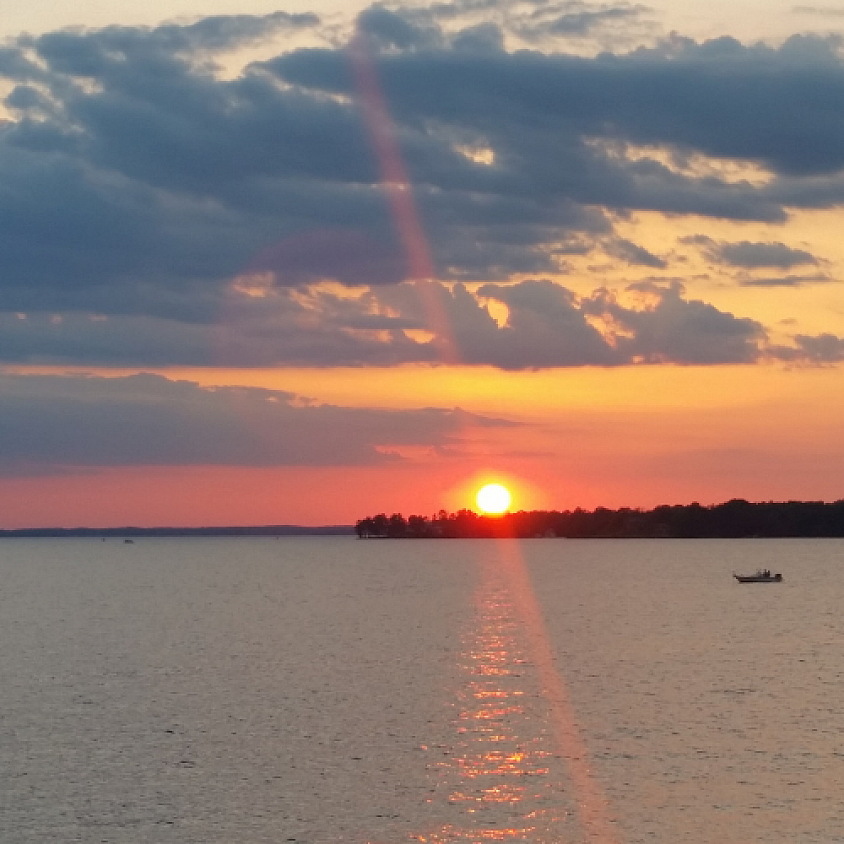
Discovering Daniel Island and the Wando Waterfront in Charleston, South Carolina 29492
• Daniel Island’s riverine character sets a serene stage for exploration, with the Wando River and Beresford Creek tracing blue ribbons around shaded neighborhoods and marsh grass vistas — early mornings bring silver light over the water, while afternoons hum with paddleboards, cycling, and dog walkers following the island’s interconnected trail system that threads pocket parks, boardwalks, and boat landings
• Credit One Stadium anchors the island’s cultural calendar — the open air venue draws major touring artists and elite tennis competition, transforming quiet streets into avenues of anticipation — visitors spill out to nearby dining on Seven Farms Drive, catching a casual bite before a headliner or lingering after a match to watch the tide creep through spartina along the river edges
• Smythe Park offers a placid counterpoint — its central lake mirrors longleaf pines and sky, ringed by a pedestrian loop where families push strollers, runners log miles, and anglers try their luck from the bank — at sunset, the light gilds the water while herons lift slowly toward the rookery, an everyday spectacle that locals prize as much as any marquee attraction
• Governors Park delivers a more kinetic rhythm — multiple playing fields, dog runs, and open greens invite community leagues and free play alike — weekend mornings often sound like a chorus of whistles and cheers, and between games you can slip onto nearby multiuse paths, find a shaded bench, and watch passing boats nose down the Wando toward Charleston Harbor
• Etiwan Park, smaller yet thoughtfully arranged, showcases how Daniel Island weaves recreation into residential life — tidy lawns and live oaks frame a pavilion where neighborhood concerts, seasonal markets, and yoga classes gather momentum — the effect is a walkable tapestry, with each green space only a short hop from cafés, bakeries, and breezy porches lifted for catching river winds
• The Arthur Ravenel Jr Bridge stands just across the Cooper River, a modernist arc you can admire from waterfront perches on the island — make time to drive or rideshare to the Mount Pleasant side for a traverse along the protected pedestrian lane, where seabreezes stream past and shrimp boats tack far below, the city skyline drawing a fine line between marsh and sky
• Patriots Point Naval and Maritime Museum lies a short hop beyond, its aircraft carrier and historic vessels dramatizing Charleston’s maritime story — after exploring flight decks and pier side exhibits, head back toward Daniel Island’s quieter pace, where the scent of pluff mud mingles with salt air, and egrets patrol the edges of spartina flats with slow, deliberate grace
• Beresford Creek Boat Landing provides a launch for small craft and a snapshot of lowcountry ecology — fiddler crabs skitter under cordgrass, osprey wheel above channel markers, and the tidal clock resets every six hours with hypnotic regularity — it is here that the interplay of current, wind, and light reveals why so many choose to live and linger along these waters
• Dining on Daniel Island has a neighborhood cadence — brunch plates arrive with local produce and coastal staples, patios fill at twilight, and dessert might be a simple cone savored during an unhurried walk under live oaks — the charm lies in proximity, where you can move from music at Credit One Stadium to a moonlit river overlook in the time it takes to finish a coffee
Rivers, Rice, and Resilience near Charleston, SC 29492
Where Waterways Shape History
Between the Wando and Cooper Rivers, the landscape surrounding Charleston, SC 29492 forms a tapestry of marshes, oak-lined avenues, and quiet channels that whisper of centuries past. Here, waterways governed commerce, cuisine, and culture. Today, they invite exploration, reflection, and a renewed appreciation for environmental stewardship. The following guide traces shorelines and inland bends to showcase places where history and habitat intertwine.
Riverfront Heritage and Working Waterfronts
The riverbanks remain active corridors, blending industry with recreation. Old pilings and new promenades tell concurrent stories—of rice-era wealth and modern revitalization.
- Wando River Marina: A launch point for inshore charters, paddle routes, and birding along spartina banks where pelicans draft low over tidelines.
- Daniel Island Waterfront Park: Broad lawns, fishing spots, and breezy boardwalks provide vantage points across the channel, ideal for sunset contemplation.
- Shem Creek Park: Wooden walkways thread through marshes to shrimping docks, where trawlers, kayakers, and dolphins share the same brackish stage.
Rice Culture Landscapes and Plantation Memory
Remnants of tidal rice fields still contour the Lowcountry. Trunk lines, dikes, and embankments survive as quiet geometry in the wetlands, bearing witness to ingenuity and to lives shaped by labor and resilience.
- Boone Hall Plantation & Gardens: Avenue of Oaks leads to interpretive exhibits on Gullah-Geechee heritage, agricultural cycles, and the art of sweetgrass basketry.
- Middleton Place: Terraced gardens and museum collections illuminate plantation-era society while adjacent fields hint at the once-global rice economy.
- Magnolia Plantation and Gardens: From camellia-lined paths to Audubon Swamp Garden, the site merges horticulture with ecological interpretation of former rice impoundments.
Estuary Ecology and Outdoor Excursions
Tides animate everything here. The estuary’s salinity gradients nurture oysters, red drum, egrets, and the occasional manatee. Responsible recreation dovetails with conservation.
- Cape Romain National Wildlife Refuge: Barrier islands, rookery sanctuaries, and primitive beaches reached by boat offer wild solitude and extraordinary bird migrations.
- Pitt Street Bridge Park: A causeway-turned-greenway with panoramic marsh views, favored by anglers, photographers, and herons stalking the shallows.
- Palmetto Islands County Park: Elevated paths and kayak rentals deliver close encounters with fiddler crabs, cordgrass meadows, and osprey platforms.
Fortified Harbors and Maritime Narratives
Harbor inlets and shoals once bristled with cannon and signal flags. Today, preserved bastions narrate strategic episodes and technological craft from sail to steam.
- Fort Sumter National Monument: Ferry across the harbor to the brick fort where opening shots of the Civil War resounded, with exhibits that contextualize the conflict’s sweep.
- Fort Moultrie: A layered timeline of coastal defense from the Revolutionary War through World War II, displayed across earthworks and concrete batteries.
- Patriots Point Naval & Maritime Museum: Aircraft carrier decks, a submarine’s tight corridors, and a destroyer’s bridge reveal twentieth-century seafaring and service.
Culture, Craft, and Coastal Provisions
Lowcountry culture thrives in markets, galleries, and kitchens where tidal abundance meets artful expression. Handwoven coils of grass and palmetto fronds coil through history and into contemporary design.
- Charleston City Market: Artisans display sweetgrass baskets and regional wares, offering conversations about tradition, sourcing, and symbolism.
- Mount Pleasant Old Village: Porch-fronted streets lead to local eateries, boutiques, and a historic sense of place preserved in clapboard and brick.
- Farmers Market at Charleston’s Marion Square (seasonal): Produce stands, seafood purveyors, and bakers celebrate coastal harvests, from shrimp to benne seed treats.
Trails, Boardwalks, and Family-Friendly Greens
Green spaces around the rivers serve as restorative commons. Paths knit together neighborhoods, playgrounds, and quiet overlooks where breezes carry brine and birdsong.
- Daniel Island Trail System: Miles of multiuse paths trace creeks and pocket parks, ideal for cycling before dawn or a twilight jog beneath live oaks.
- Riverfront Park, North Charleston: Sculpture installations, a fishing pier, and open lawns welcome picnics, festivals, and blue-hour photography.
- Laurel Hill County Park: Expansive meadows, shaded alleys of pines, and serene lakes provide a contemplative counterpoint to coastal bustle.
Around Charleston, SC 29492, water is both archive and invitation. The marsh remembers. The rivers endure. From fortified islets to flowered terraces, from working docks to rookery skies, each place rewards unhurried attention. Venture at slack tide, or at dawn when the cordgrass glows chartreuse. Listen for history in the wind. And leave only ripples.
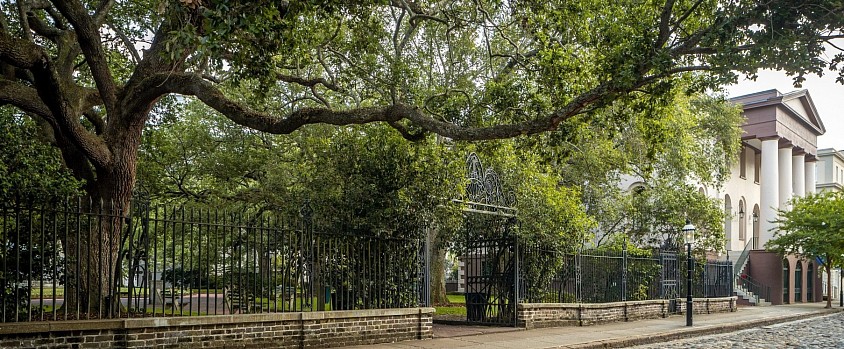
River, Marsh, and Memory: Notable Places Near Charleston, SC 29492
- Daniel Island Waterfront Park
- Smythe Park
- Credit One Stadium
- Arthur Ravenel Jr. Bridge
- Shem Creek Park
- Patriots Point Naval & Maritime Museum
- Boone Hall Plantation & Gardens
- Isle of Palms Beach
- Palmetto Islands County Park
- Laurel Hill County Park
Neighborhood Greens by the Water: Daniel Island Waterfront Park and Smythe Park
On the eastern edge of the city’s island neighborhoods, Daniel Island Waterfront Park unfurls along the Wando River with broad boardwalks, shaded swings, and salt-laced breezes. The scene beguiles at dusk, when the sky turns copper and the river flickers with reflected light. Families stroll the esplanade. Anglers cast lines from the pier. Kayakers slip past cordgrass as herons stalk the shallows. A short hop inland, Smythe Park encircles a glimmering lake wrapped by manicured lawns and grand oaks. The walking loop invites a leisurely circuit, while the playground and picnic lawns encourage lingering. Bring a sketchbook for the shoreline vistas. Or lace up before sunrise for a quiet circuit as egrets lift from the reeds. Together, these parks form a calm counterpoint to Charleston’s historic bustle, perfect for morning runs, river gazing, and impromptu family gatherings.
Stages and Soundwaves: Credit One Stadium
Just across neighborhood streets, Credit One Stadium has become a cultural anchor. By day, the complex hums with tennis activity, clinics, and courtside camaraderie. By night, the amphitheater morphs into a concert venue where the Lowcountry’s warm air amplifies guitars and crescendos. Seating is intimate yet capacious, creating an atmosphere where performers feel close and the audience becomes part of the show. Arrive early to explore nearby dining on the island and to avoid traffic bottlenecks before marquee performances. The venue’s schedule ranges from chart-topping tours to community tournaments, offering year-round reasons to visit.
Span and Skyline: Walking the Arthur Ravenel Jr. Bridge
The cable-stayed silhouette of the Arthur Ravenel Jr. Bridge has redefined Charleston’s skyline. Its sweeping lines rise above the Cooper River like sculpted sails. The dedicated multiuse path beckons walkers, cyclists, and photographers with panoramic views of church spires, ship traffic, and tidal marshes. Start on the Mount Pleasant side to watch shrimp trawlers glide beneath the towers. Or begin downtown and time the ascent for sunrise, when pelicans surf wind currents at eye level. Interpretive plaques share construction details, from pylon foundations to cable bundles, providing a primer in modern engineering. Bring water on hot days. The grade is steady, and the breeze can be brisk at the summit.
Tidal Theater: Shem Creek Park
Where salt and freshwater mingle, Shem Creek Park delivers a quintessential Lowcountry tableau. Boardwalks thread above spartina flats as dolphins corrall mullet and ospreys arrow into the channel. Seafood boats still tie up here, lending the creek a working-waterfront cadence. Take a late-afternoon amble for golden light and panoramic marsh views. Restaurants line the water, but the park itself is the main attraction for those seeking wildlife encounters and quiet observation. Paddleboard outfitters launch nearby, making it simple to pair a creekside walk with time on the water. Keep an eye on tides; the scenery transforms dramatically between low and high water.
Maritime Legacy: Patriots Point Naval & Maritime Museum
Across the channel, a colossal chapter of American naval history floats at anchor. Patriots Point invites you aboard the aircraft carrier Yorktown, with its labyrinth of hangars, flight decks, and ready rooms. Submariners’ quarters on the USS Clamagore (seasonal display) and the destroyer Laffey add depth to the narrative. Exhibits weave personal stories into the steel corridors—aviators’ logbooks, mess hall menus, and battle maps that trace the Pacific and Atlantic theaters. Families can follow kid-friendly scavenger hunts, while history devotees linger at the Medal of Honor Museum. Set aside several hours; the scale is monumental and the storytelling nuanced.
Living Lowcountry: Boone Hall Plantation & Gardens
Up Highway 17, Boone Hall’s famed Avenue of Oaks frames a living corridor of green. Beyond the photogenic entrance, the site delves into the region’s agricultural and cultural history. Brick slave dwellings host curated exhibits that illuminate the lives of the people who built and sustained the plantation. Seasonal harvests—from strawberries to pumpkins—reanimate Boone Hall’s farming roots, while gardens bloom with camellias and heirloom roses. The blend of beauty and candor creates an experience that is both reflective and enlightening. Attend a guided talk to better grasp the Gullah Geechee heritage embedded in the landscape.
Barrier-Island Interlude: Isle of Palms Beach
When the mercury climbs, Isle of Palms offers surf, sand, and a hush that falls between waves. Wide beaches accommodate sunrise jogs, sandcastle engineering, and impromptu bocce. Public access points make arrival straightforward, though parking fills quickly on weekends. Watch for loggerhead turtle nest markers in season. Offshore breezes bring kites and sails into motion, while nearshore sandbars create child-friendly shallows. Post-beach, shaded avenues and casual cafes provide easy cooldowns before crossing back over the Intracoastal.
Green Corridors: Palmetto Islands and Laurel Hill County Parks
Two Mount Pleasant parks deliver nature immersion without a long drive. Palmetto Islands County Park spreads through 943 acres of tidal creeks and hammock islands, with elevated boardwalks, kayak launches, and a lookout tower surveying the marsh mosaic. Picnic shelters and splash features make it appealing for families, while birders come for painted buntings and marsh wrens. A few miles inland, Laurel Hill County Park unfurls across former plantation grounds with miles of shaded trails, serene ponds, and that striking avenue lined by pines and oaks. It’s a haven for runners training on soft surfaces and photographers chasing morning mist. Both parks exemplify the Lowcountry’s quiet grandeur—vast skies, subtle textures, and the rhythmic chorus of cicadas.
Practical Rhythms and Seasonal Notes
Coastal weather shifts fast. Summer afternoons often bring brief, drenching showers that yield radiant sunsets. Spring and fall are temperate, ideal for bridge walks and garden visits. Winter remains mild, with migratory birds enlivening marshes. Consider weekday excursions to reduce congestion at beaches and museums. Ferries to harbor sites depart from downtown; arrive early to secure preferred times. Refillable water bottles, sunscreen, and lightweight layers make near-constant companions.
These places, within reach of Charleston, SC 29492, distill the region’s character—water and wind, memory and music, science and craftsmanship. Wander the parks. Board the carrier. Cross the bridge. Each outing adds a thread to the Lowcountry tapestry, binding river light to living history and the day’s small joys to the coast’s enduring cadence.